
Interview
The Cabaret Disbatch
‘She See's Ghosts in Burlesque’
Kit Khan
Full Interview: https://thecabaretdispatch.substack.com/p/2-she-sees-ghosts-in-burlesqueEvery thought she shares is integrated with lineage; she names all the artists and authors and composers and dancers she owes inspiration to: Anna Pavlova, Meredith Monk, John Cage, even Marilyn Manson, whose autobiography was formative to her as a teen, “I was reading John Cage and Marilyn Manson’s autobiographies at the same time. When Manson describes some of his early acts, he had a girl on a leash, that was sort of my… both those books were my first introduction to composition and performance art.”
“Do you think your performances are channeling spirits?
“I think… Well, when I was talking about reading books from those artists… there was no one for me to ask about anything. All I had was books. I think I was going to the source of knowledge and asking for help. And if you’re an artist, communicating with another artist, even through text, that’s you channeling. And paying homage to, like, lineage. Lineage is so important to me.”
“And how does Shea Sullivan fit into channeling?”
“This is what I’m curious about. I’m really curious about how mediumship is about calling on the voices of other people… either listening to them or allowing them to inhabit you. This is what I’m really excited to find out with burlesque. It feels like me, and burlesque is about being yourself, but is there space for mediumship? I don’t know. Because they kind of exist at odds, but not really. ”
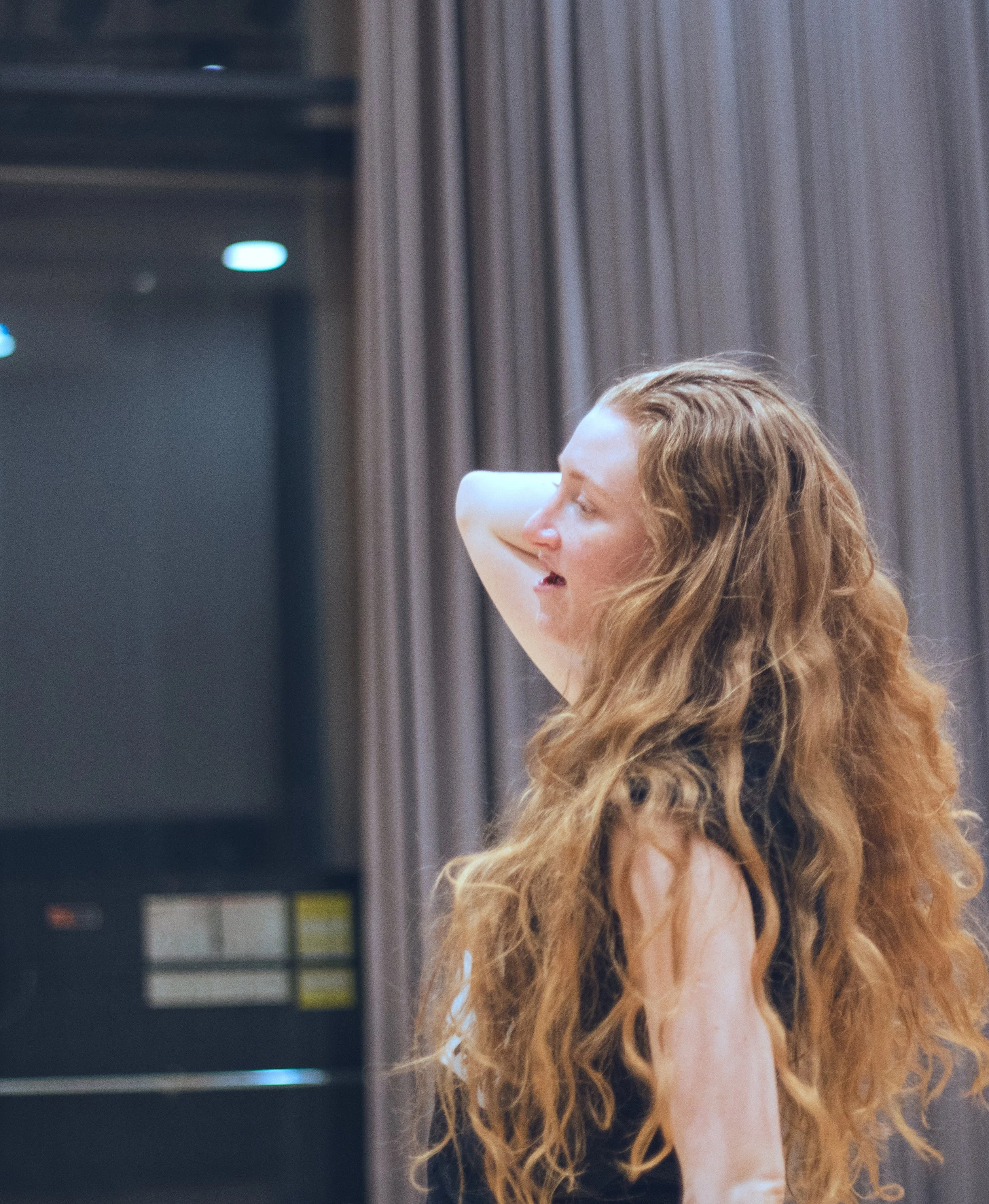
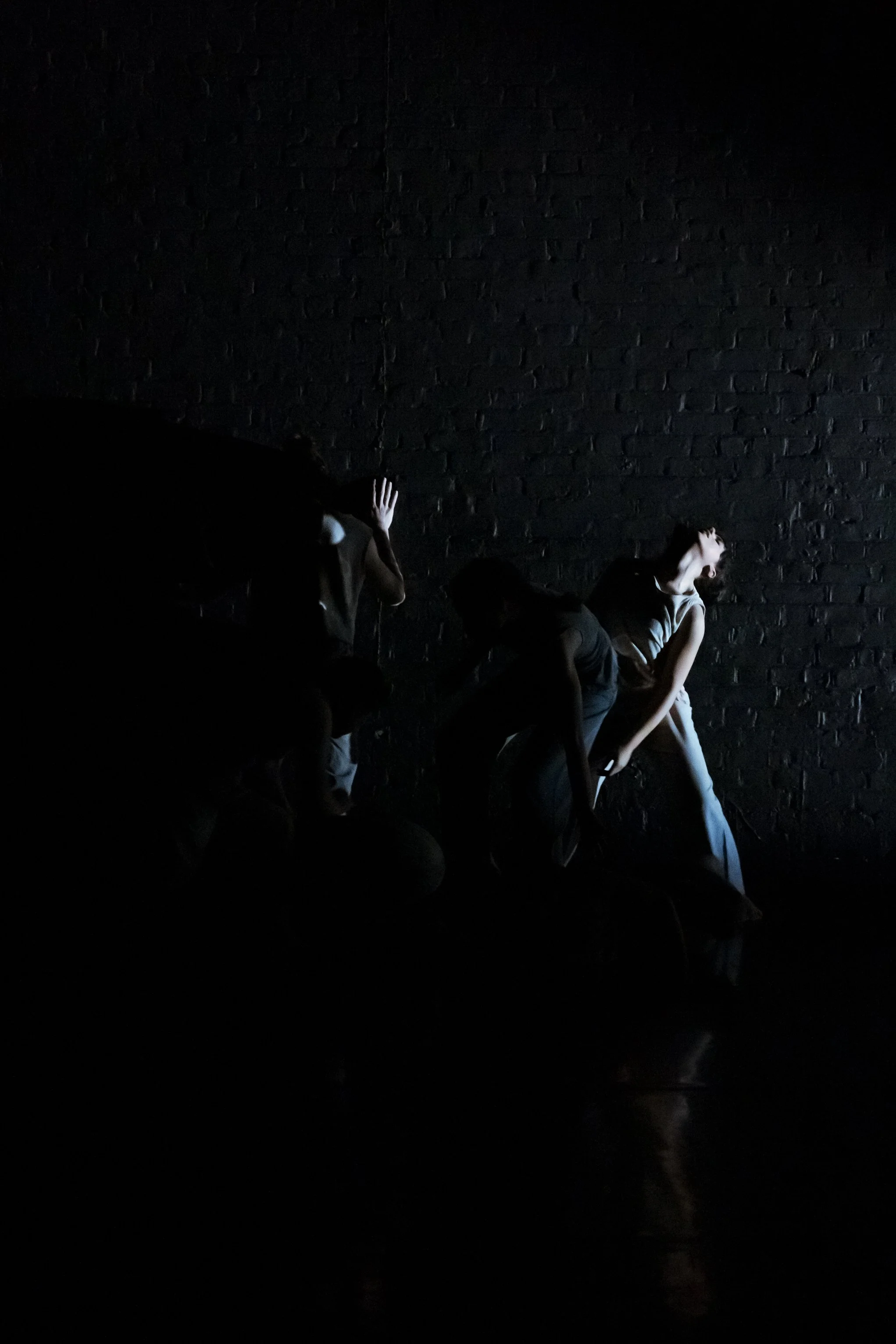
“ In the latter half of the piece, exhaustion sets in, and things feel more real. The heavy breathing of the dancers becomes part of the sound, and there is a genuine friction in the movement. The piece creates a strong mood and aesthetic, and as it develops, the themes become more visceral.”
“The movement was powerful and spatially ambitious”
“choreography carries both narrative weight and emotional force, moving through trauma, anger and resilience. The movement is intense and direct, carried by performers who commit fully to its demands. Bodily memory comes through in the physical experience of the work, inviting the audience into a close, shared sense of feeling. The work allows moments of discomfort to sit with the audience.”